Telehealth in Aged Care in Australia
Cross-posted from LinkedIn.
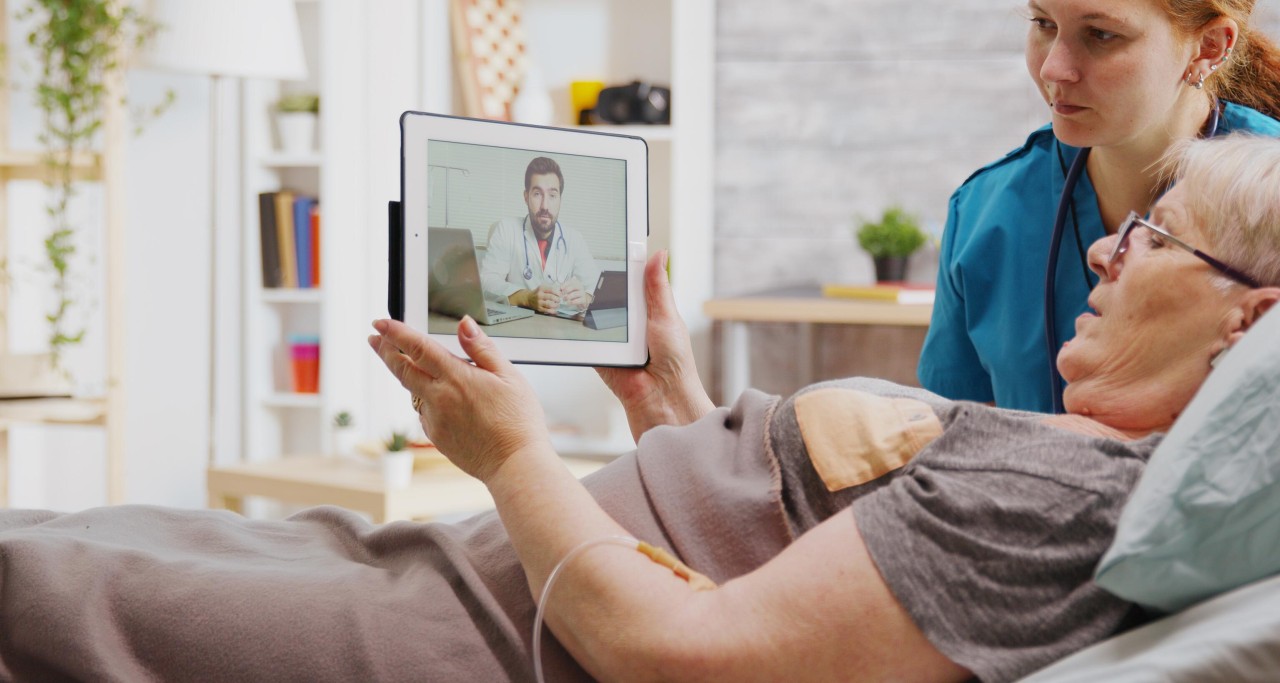
Telehealth in RACFs has finally become a topic of interest across our nation. We’re seeing several PHNs trying to figure out how to put the complex picture together that makes an RACF receive video and phone telehealth consultations from GPs, Allied Health providers, specialists, emergency triage, wound care technology and sophisticated remote patient monitoring technologies, e.g. in South Australia.
Medicare has this far exclusively focused on the clinician end of telehealth. And so has the Healthdirect Video Call platform, which is sponsored by the Federal Health Department to support the delivery of telehealth by GPs. This includes delivery into RACFs.
What is not clearly understood are the challenges that occur at the RACF end. It’s not enough to enable clinicians with telehealth capability. That works when a patient at home clicks through to a video appointment that they made with a GP.
In RACFs, you have many patients that are typically unable to organise their own GP appointments, or manage to use a digital device to set up a video call. They are in an RACF because they need a carer to look after them regularly - otherwise they would continue to receive Home care.
A person in an RACF can have their family looking after their GP appointments. If there is no family support, this task falls to a nurse paid for by the RACF provider to deliver care. RACF staff are very busy and have little time to look after residents’ early intervention needs. And yet, it’s those early interventions that when looked after will lead to reduced usage of emergency departments, better health and longer lives.
So, what is really required to make telehealth in RACFs work?
I think there are two key things required that together will enable care excellence.
1. First the human side
A RACF resident who regularly does their exercises, eats according to their diet, possibly sees their counsellor and sees their GP regularly to undertake recommended regular checks will be happier and healthier and require less intensive care by the RACF.
Yet, to get them regularly in front of an exercise physiologist, dietitian, counsellor and GP requires an amount of effort that cannot be provided by existing RACF staff. Yes, all of these providers can do telehealth and much of it is reimbursable by Medicare. But there’s nobody doing the logistics on the patient end.
RACFs need funding for Telehealth Coordinators - staff that can make sure to organise the telehealth appointments regularly, set the technology up for the resident, make sure they attend and follow up on any subsequent tasks such as changing prescriptions in the RACF care system. All of these tasks are necessary and none require a qualified healthcare professional - it would be a waste to spend a nurse’s time on these tasks. These tasks also cannot be done by the remote practitioner.
Where would the funding for a Telehealth Coordinator role come from? It could be that Medicare introduces a reimbursement for nursing staff at the RACF - for so-called patient end support services. These fee per service reimbursements would allow the RACFs to hire a Telehealth Coordinator when supporting a large number of residents.
Alternatively, the money could come from PHNs who are supposed to support the primary care delivery of services in their regions. They could fund Telehealth Coordinators in RACFs based on the number of residents in an RACF and be the mediator for getting sufficient practitioners on board for delivery of the service.
That latter part of getting the right clinicians together to allow delivery of allied health, GP and specialist services, is actually another really challenging task for offering telehealth care into RACFs. It’s not like the local GP alone will do.
Residents have varied requirements for preventative health, for repetitive therapy, and for specialist care in times of urgency. A good telehealth service offering for a RACF therefore consists of a diverse set of practitioners both from local regions and at times from more remote specialists.
An RACF’s Telehealth Coordinator could be the person to build a list of practitioners that frequently support the RACF. Or alternatively this is done by the PHN for all the RACFs in their region.
2. Secondly, the technical side
Who needs to participate in a telehealth consult for an RACF resident?
For a GP consult, a counselling session or a dietitian advice, it’s highly likely that it’s sufficient to have the patient and the practitioner attend, accompanied by a RACF staff member, likely a nurse or the Telehealth Coordinator. The idea behind having a RACF staff member attend is to provide for improved communication during the consultation as well as documentation and follow-through of any follow-up items by the RACF. This might be a change in medication, a change in diet or a need for different entertainment for the resident.
An exercise physiology session may be an individual therapeutic session or group therapy. You can imagine that the exercise physiologist might be displayed on a larger monitor or projected screen and a number of residents participate in following along with the exercises. So the setup for such a telehealth consultation can be quite different.
For a specialist consultation, it may be necessary to add the GP to the session, e.g. as a hand-over post surgery or in case ongoing care requirements have changed. If a nurse practitioner is available at the RACF, they can also fulfil that role.
These few examples demonstrate that the technology in use for telehealth at an RACF needs to allow for individual consultations, care team consultations and group therapy consultations with several RACF residents in participation.
They also demonstrate that the setup of a consultation may get rather complicated and rely on the punctual attendance of several local and remote participants. Punctual attendance is something that primary care practitioners will have to embrace and organise their own medical practice around as much as possible. It may require reminders and notifications to the practice staff on their end to ascertain they turn up on time, but also to the Telehealth Coordinator to ascertain the RACF staff members and residents are available at the pre-allocated time.
Next I’d like to consider the requirements on managing the bookings of telehealth consultations. At the RACF, a Telehealth Coordinator will have access to the care and clinical software at the RACF where a resident’s medical records are kept. They will also need access to the RACF management software where the schedules of all residents and staff are planned. It’s here that bookings for telehealth consultations should be managed to make sure the right staff and residents end up in the right place at the right time.
But the booking needs to also make sure the providers are available. So, the Telehealth Coordinator may first need to find appropriate available time slots from the healthcare providers, then match that with available slots in the RACF. Once a slot has been identified, the booking needs to be made immediately to block out the time slot for all participants. This can be an arduous process and is best supported through an integrated booking system with access to provider schedules and RACF schedules.
Finally let’s consider record keeping of the consultation. All involved practitioners will of course keep their own records of the consultations in whichever practice management software they use. But the RACF also has a duty of care and will need to keep its own records in the care and clinical software. So, a telehealth software that supports RACF telehealth service delivery may need to allow practitioners to provide a summary of the consultation and add it to the RACF care and clinical software with some additional notes by the RACF staff, potentially including new prescriptions and changes to the medication schedule.
Doing all of these processes manually is very time-consuming and there aren’t enough RACF staff available to do them. Certainly, these tasks cannot be added to a busy nurse’s schedule.
Providing access to a panel of telehealth enabled providers, their appointment booking systems, the RACF’s scheduling system and adequate record keeping post the telehealth consultations are some of the key functionalities that an integrated telehealth solution should support to alleviate the administrative burdens in the RACF.
Coviu has the potential to be that system, particularly when all the clinicians are using Coviu for offering care and a federated app can allow for a unified booking system to all the providers. The creation of integrations with practice management software systems and with care and clinical RACF software are key to the delivery of efficiencies to RACFs.